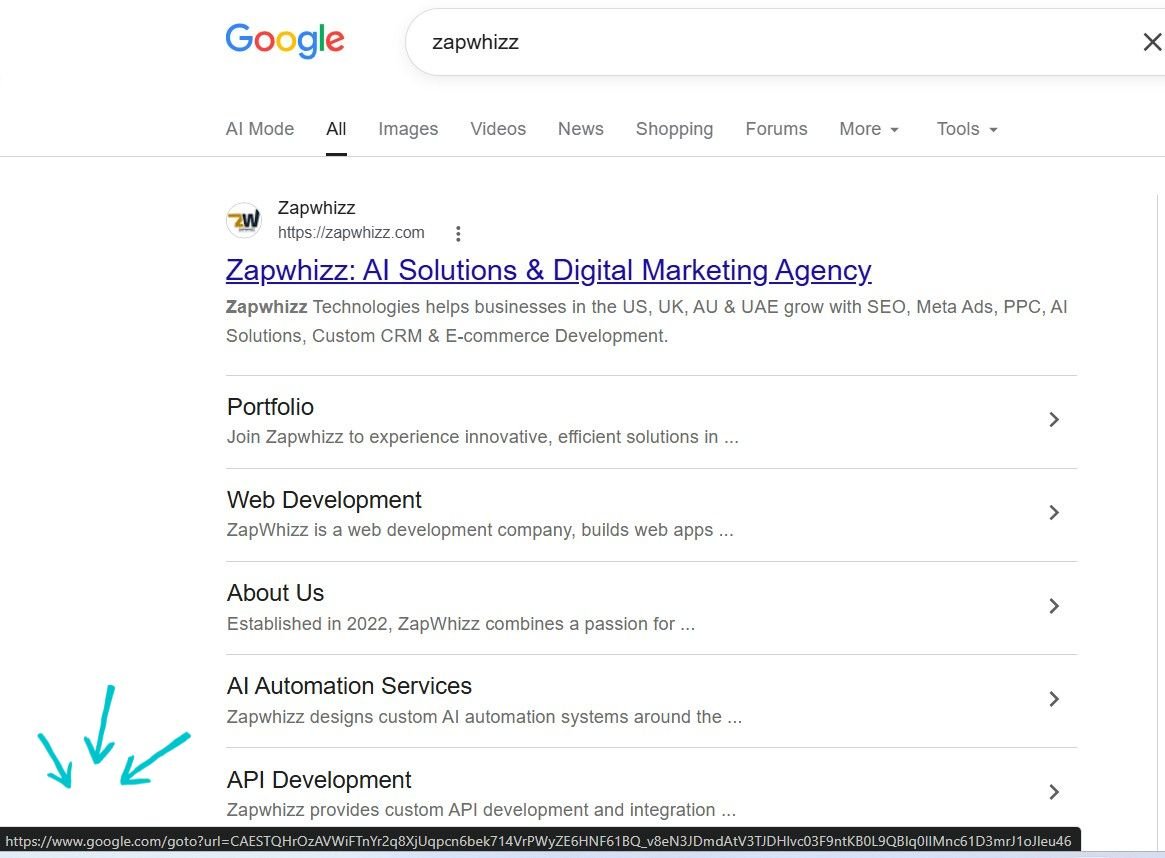
The change was first noticed in the test environment in mid-2026 and had become almost universal across residential users by the end of August. Google confirmed the observation and explained it was a technical response to a growing problem of abuse. However, according to reports from several industry outlets, it has made it more difficult for automated systems to extract destination addresses from Google search results.
The intermediate redirect is used almost exclusively on third-party websites. Google products like YouTube, Google Maps, and other first-party results continue to display direct links to their respective destinations.
The company has not officially commented on why it continues to use these redirects. However, according to reports, it has something to do with making it harder for scrapers to collect the ranking URLs of other websites. It is presumably not used on Google results because the company does not need to obscure the location of its first-party properties. They already have full control over their destination URLs
The redirect is implemented automatically by Google and is mandatory for external websites. It is impossible for website owners to disable it. There is no option in Google Search Console, the meta tag, robots.txt file, or any other settings that allow the publisher to turn off the redirect. Google makes all changes on their end without requiring any action from the website owners.
Google redirect is invisible to website analytics tools. Whether it is Google Analytics 4 or any other third-party service, they will continue to show organic search traffic after the redirect. The referring domain will still appear as google.com in website analytics because that has always been the behavior of Google. Same thing happens in Google Search Console – impressions and clicks are still being registered correctly.
The only difference is that some third-party SERP tracking tools and position tracking services may have trouble reading links on the page. This is because they scrape the links directly from the HTML of the page, which means having to decipher the encoded links. It may add extra overhead to their operation, but it does not affect the traffic numbers or impressions that website owners see in their analytics.
AIs that use real-time web search to ground their responses are affected to varying degrees. Extraction of clean destination URLs from Google search results pages is becoming more expensive. Previously functional systems that scraped Google HTML would need to follow redirects or use alternate means of collection.
With that said, the main AI players are still able to provide search grounded responses. Claude’s primary source is currently Brave Search. Perplexity maintains an index while also using external sources. ChatGPT uses a mix of proprietary tools and other approaches. While the redirect adds cost to one particular method of collection, it has not eliminated the ability of these systems to provide current, cited responses.
Google provides only a few official methods for programmatic access to its search results. Grounding with Google Search is available through the Gemini API. When enabled, Gemini models can access Google Search and provide answers with citations. For the latest Gemini models, a monthly free allowance of search requests is available, with search requests charged per thousand tokens beyond that.
A legacy Custom Search JSON API is available to some qualifying existing customers on a paid tier, with a small daily free allowance. It is no longer available for new users and will be retired in early 2027. It was never capable of providing true “open web” results like third-party SERP APIs.
Google does not currently provide an API for access to a high-volume general-purpose search results service that would be comparable to what their own large-language models have access to.
Google’s defense claims that Google Search does not charge for accessing the information on the websites but rather for the search engine service itself. However, Google defenders argue that the company’s crawlers scan the data on websites before making it searchable, and its AI models have access to this information, while other companies must pay for access to Google’s data and possess additional barriers.
The practice has come under fire from regulators in America and Europe, culminating in a U.S. Supreme Court order requiring Google to share some anonymized data with qualifying publishers. In addition, publishers have complained that they provide the information required to generate search results, which Google then uses to create responses to searchers’ questions, while withholding critical data from other AI applications. Competitors and critics of the company also argue that Google has extended its dominance from the search sector to the AI space.
The new `google.com/goto` redirect is part of a series of technical and commercial headwinds that Google is creating around search data at the moment. Externally-facing sites cannot opt out. Regular website analytics are unaffected. AI systems which previously scraped data directly have had to factor in increased costs and moved towards other approaches. The official paid access is only available to developers of Gemini, but Google’s own large language models continue to enjoy preferential treatment. The debate that has erupted around the change focuses on competition, compensation for publishers and the rules that should apply to access to search data as AI systems act as intermediaries for an increasing amount of information.